SOLD OUT! Virtual Book Club for Educators | Breakneck: China’s Quest to Engineer the Future by Dan Wang
December 3rd, 2025 4:00PM -6:00PM
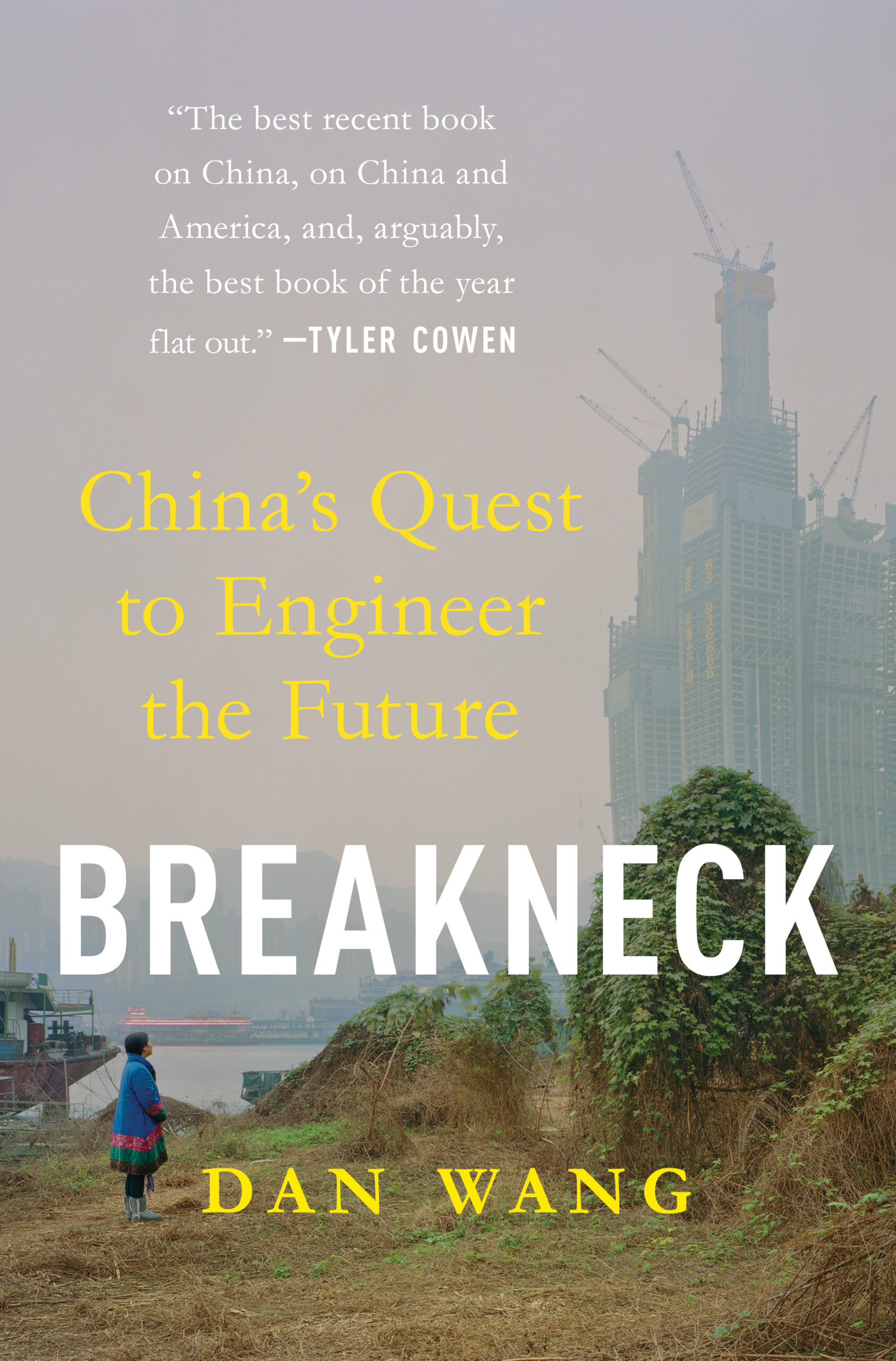 While much of today’s news emphasizes growing U.S.-China tensions, Dan Wang’s Breakneck: China’s Quest to Engineer the Future offers a fresh perspective on China and sheds light on the United States in the 21st century. Combining sharp analysis with engaging storytelling, Wang presents a vivid portrait of a nation in transition. In 240 pages, he takes readers through the bustling metropolis of Shanghai and on bike rides into the countryside, offering an insightful view of China’s rapid growth and its far-reaching consequences.
Join NCTA seminar leader Tese Neighbor and World Affairs Council Global Classroom Director Ryan Hauck for a conversation on Wang’s political, economic, and philosophical exploration of the world’s two most powerful nations. Together they will consider whether China’s achievements—its vast infrastructure projects, rapidly expanding cities, global factories, and growing technological and military capacity—will challenge or inspire the United States to renew its own strengths. This discussion will take up questions raised in Wang’s work and in recent commentary, including the Wall Street Journal (9/7/25).
Dates and Times
Participants will be assigned to either Group 1 or Group 2, with flexibility to switch if needed:
-
Group 1: Wednesday, December 3, 4:00–6:00 PM (Pacific Time)
-
Group 2: Thursday, December 4, 4:00–6:00 PM (Pacific Time)
The book club will take place via Zoom.
Program Requirements
Participants are expected to read the book, complete a brief assignment, and actively engage in the two-hour book club session with cameras on.
Program benefits
- A physical copy of the book
- Online Resource packet
- Four free Washington State OSPI clock hours
Application
This program is free and open to K-12 educators of all grades and subjects. Space is limited. Click the blue button above to register today!
This program is sponsored by the East Asia Resource Center at the University of Washington and funded by a Freeman Foundation grant in support of the National Consortium for Teaching about Asia (NCTA)